
Journal · Issue 01 · brewing · roasting · tasting

Coffee, written down.

Three practical articles from the roastery, written to help you understand and brew better coffee.

Articles
3
Minutes
16
01

Espresso · 12 August · 6 min read

Why water changes
your espresso.

The same coffee can taste bright one day and flat the next. Before changing the beans, check the water.

Barista checking the weight of a fresh espresso shot

Water carries flavour from ground coffee into the cup. Its mineral content affects how much flavour it can collect and how balanced that flavour tastes.

What the water is doing

Water with too little mineral content can leave espresso thin and sharply acidic. Hard water can mute the coffee, add a chalky finish and build scale inside the machine.

At the roastery, we check the water before changing the dose or grind. That gives us a reliable starting point and keeps each adjustment easy to judge.

Before blaming the beans, check the water and clean the machine.

What to try at home

Start with fresh filtered water and descale the machine according to its instructions. Keep the coffee dose the same, then adjust the grinder in small steps.

If the shot tastes sour and thin, grind slightly finer. If it tastes dry and bitter, grind slightly coarser. Taste after every change.

Back to all articles
02

Roasting · 2 August · 5 min read

What roast level
actually changes.

Light, medium and dark are useful directions. They are not scores, and one is not better than another.

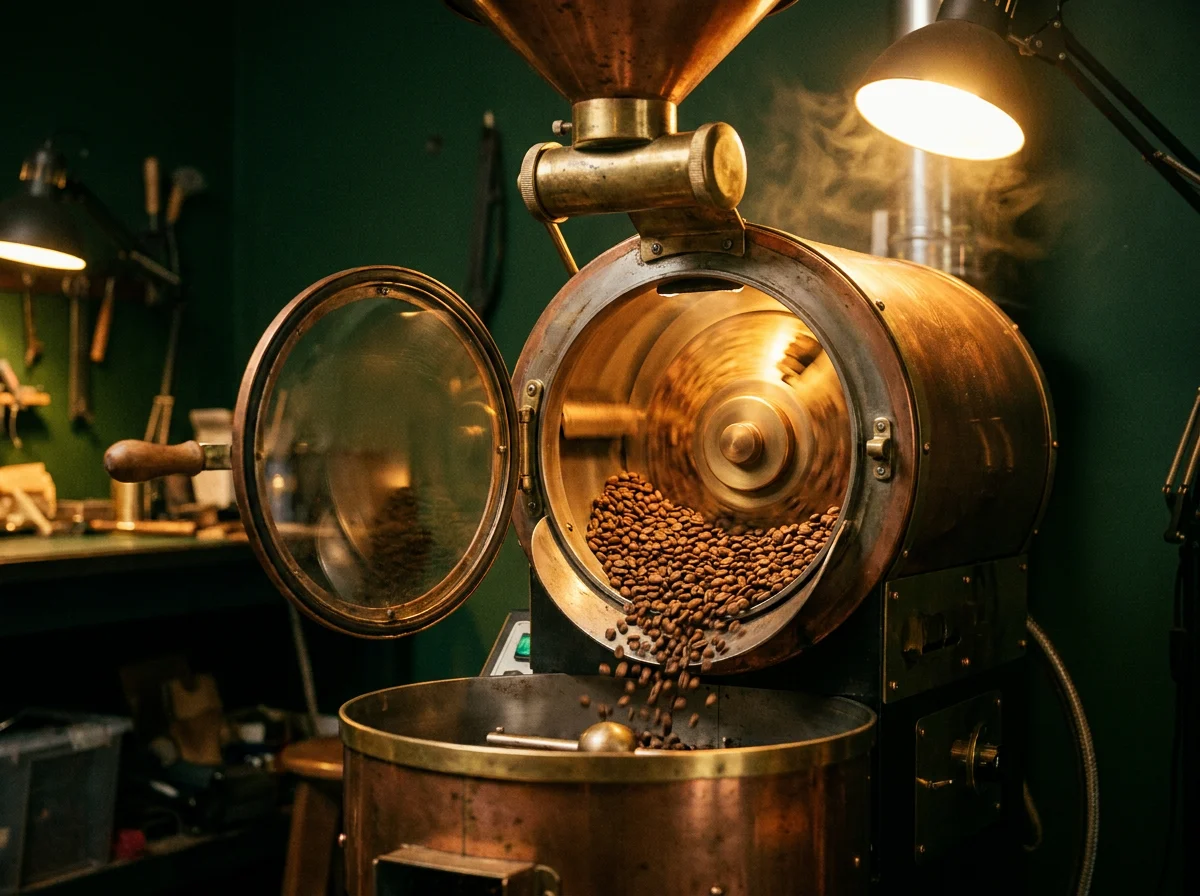
Roasted coffee beans cooling beneath the drum

Roasting changes the sugars, acids and aromas inside a coffee bean. The longer the roast develops, the more the roast itself shapes the final flavour.

Light does not mean weak

Light roasts often keep more of a coffee’s floral, citrus or stone-fruit character. They can taste delicate, but strength still depends on how much coffee and water you use.

Medium is the useful middle

Medium roasts bring more caramelised sweetness and body while keeping some acidity. They work well across espresso, filter and milk drinks.

Dark is a flavour choice

Dark roasts tend towards cocoa, toast and smoke, with lower perceived acidity. Try slightly cooler water if a dark coffee tastes harsh or dry.

Choose a roast for the flavours you enjoy, not for the colour on the bag.
Back to all articles
03

Brewing · 21 July · 5 min read

A better cafetière,
every morning.

A cafetière needs no elaborate technique. A scale, an even grind and a repeatable recipe are enough.

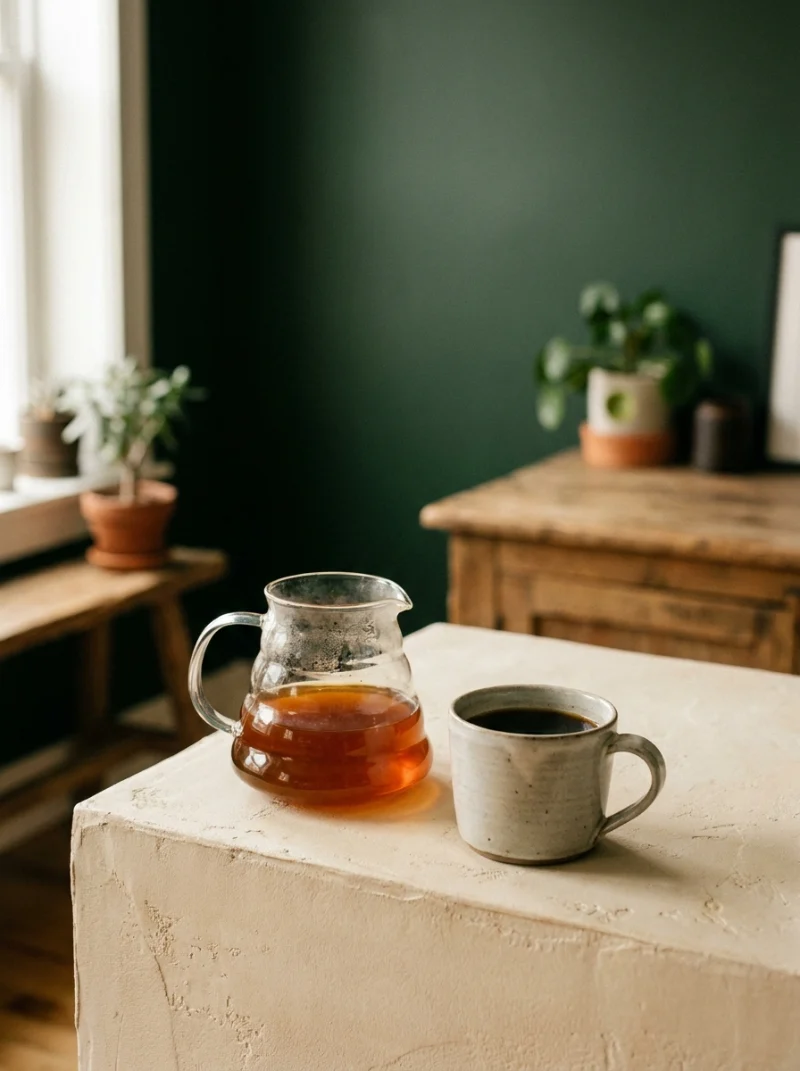
Black coffee ready to serve after brewing

The cafetière is forgiving, but guessing the quantities makes each pot different. Measure the coffee and water once, then adjust from a known recipe.

Use an even, coarse grind

Add 30 g of coffee to the warm cafetière. Pour in 500 ml of water just off the boil, stir once and place the lid on top.

Wait four minutes. Press the plunger slowly, then pour all the coffee into cups or a separate jug. Leaving it on the grounds makes the final cup bitter.

Adjust one thing at a time

If the coffee tastes thin or sour, grind slightly finer. If it tastes bitter or dry, grind slightly coarser. Keep the dose, water and brew time unchanged while you compare.

A repeatable recipe makes better coffee and easier corrections.
Choose beans to brew Back to all articles